_ THESE 20260625
EDEN’S GARDEN A live action children's series set in a real Los Angeles hillside garden in La Cañada Flintridge. A parent tends the garden alongside his almost-two-year-old daughter Eden, a baby boy arriving mid-season, and a cast of recurring characters — some human, some ancient, some barely visible.
The show combines live action, some light animation, archival industrial/science films, original illustration and ornate text overlays to create something grounded in real science, ancient mythology, and genuine wonder. Built for the smallest children. Compelling for every adult in the room. Watchable by young young kids… it’s mostly sensory with some narrative. These stories are slow, slow, slow. We’ll make clips from the most energetic parts and seek long watch times on YOUTUBE.
The philosophy: The natural world is astonishing — the show's job is to make sure you're looking.
HOME SWEET HOME. A real hillside property. Olive trees, jasmine on the fences, avocado, orange, lemon, artichoke, white agapanthus, plums, all the flowers. One of the most biodiverse urban garden environments in America. The garden is not a set. It is the show's co-creator. Visitors include frogs, snails, bees, hummingbirds, lizards, a bobcat at the boundary, coyotes at night, and Bruno the dog investigating everything with professional thoroughness.
Always there is BRUNO IN SLOW MOTION, PLANTS IN THE BREEZE, MACRO PHOTOGRAPHY W/ NATURAL SOUNDS, AND SOME THINGS EXPLAINED
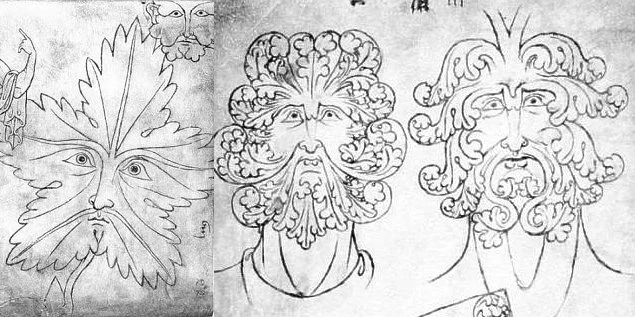
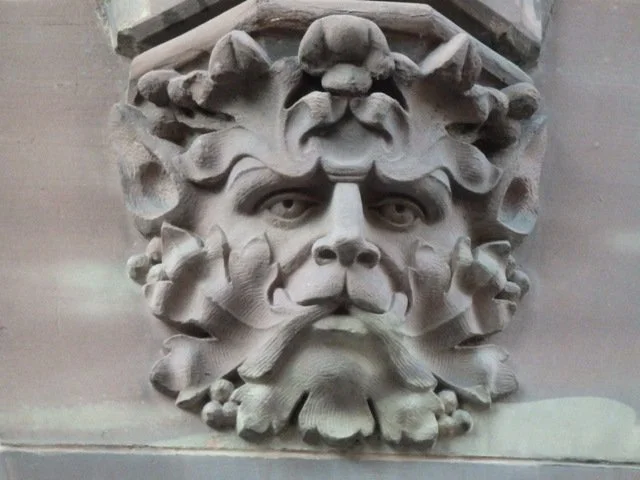
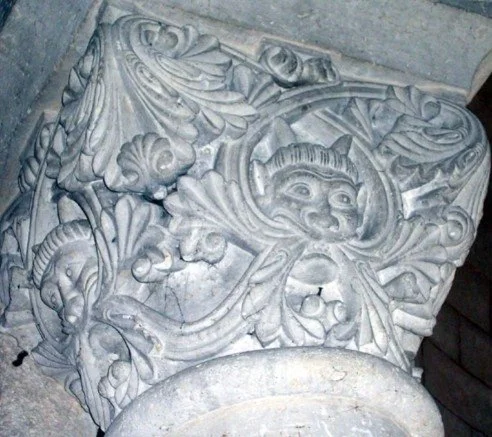
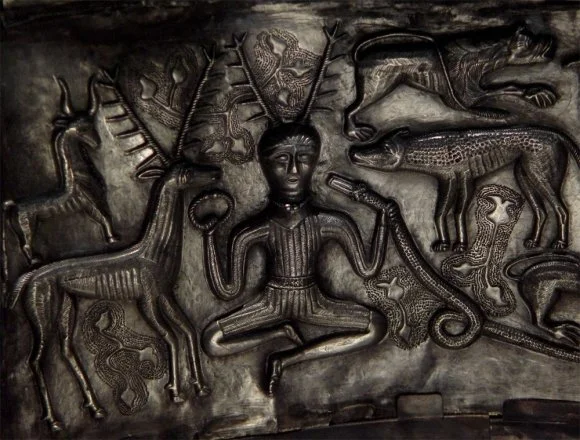
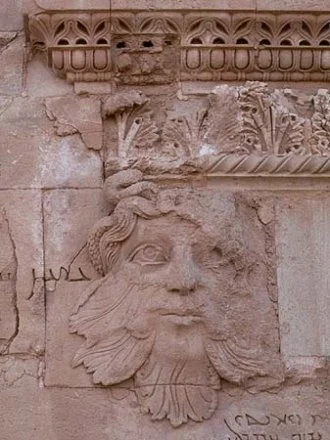
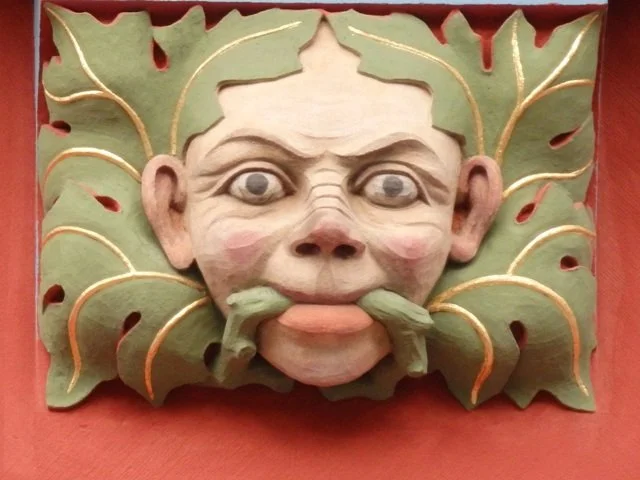
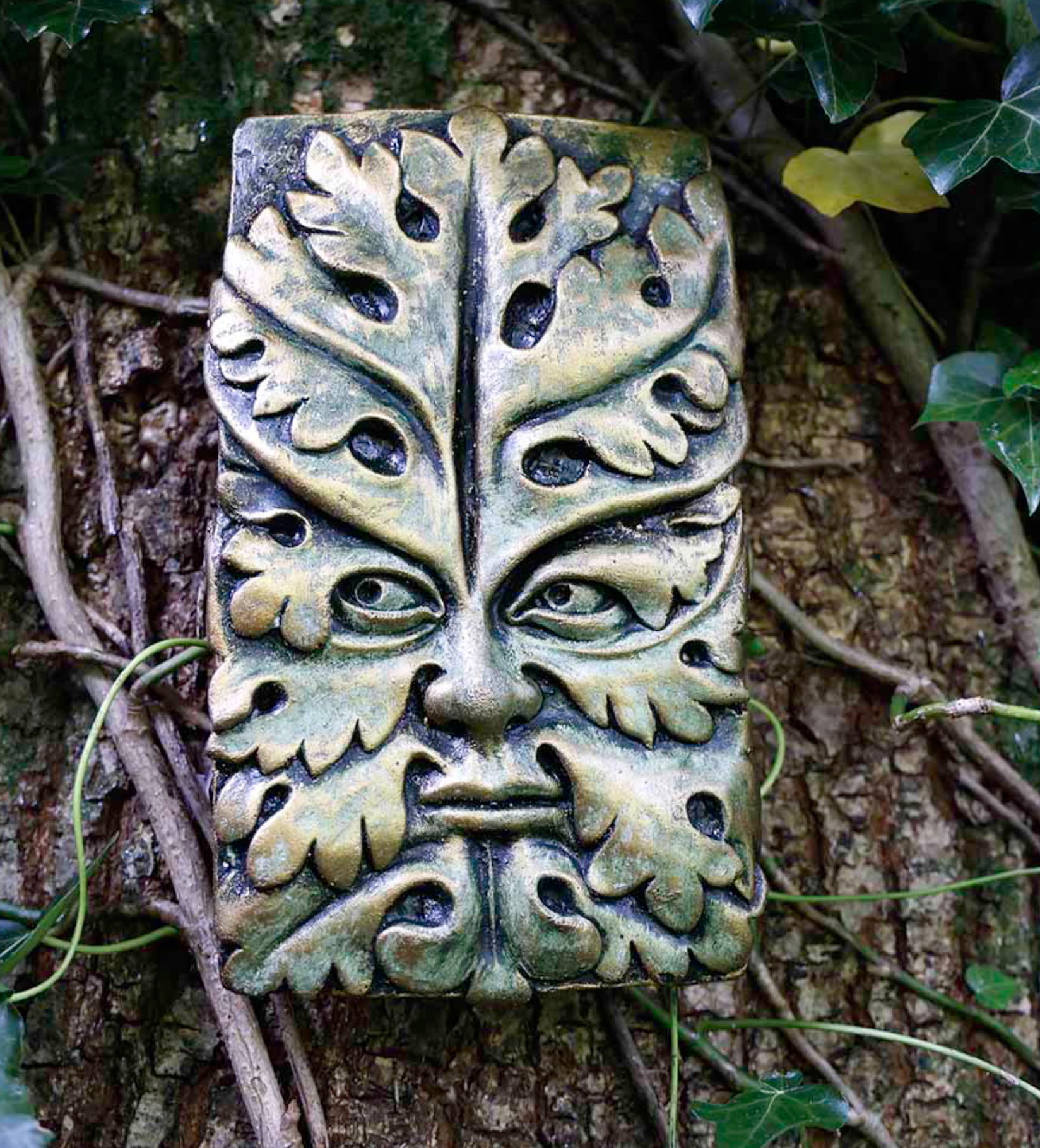
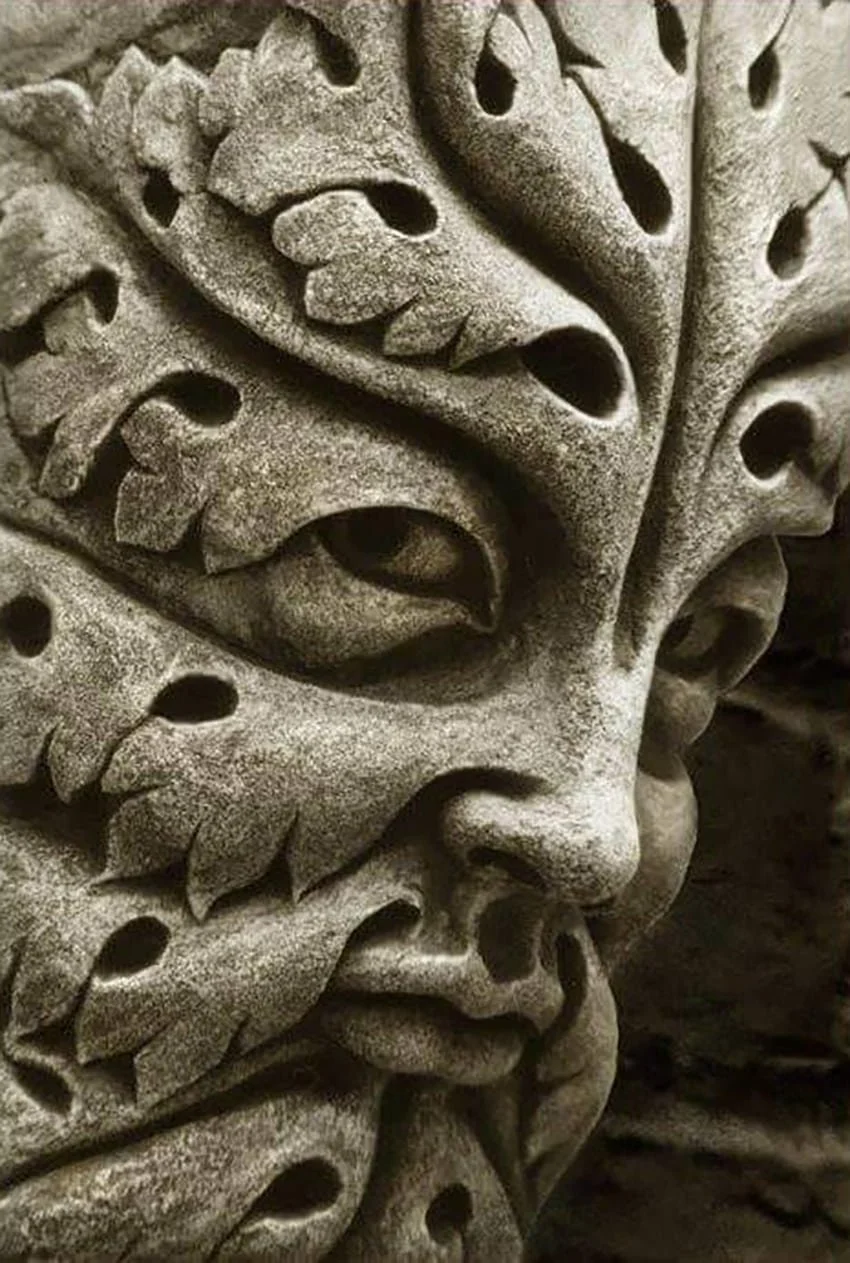
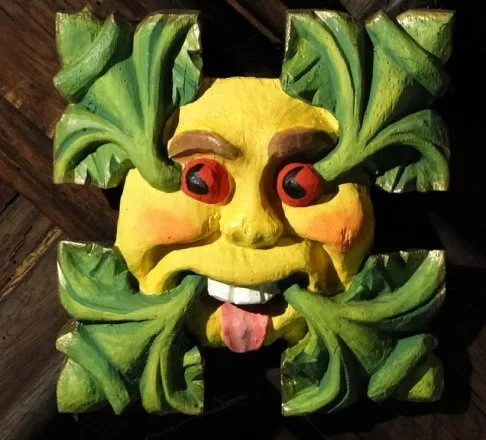
Green Man - eventually a garden statue, plush toy, mascot kind of thing for the show and for Eden to film with (had hoped to be getting this produced this Summer. The early brief for the GREEN MAN. The oldest recurring image in human art. A face emerging from foliage — leaves issuing from the mouth, vines from the eyes, the face and the plant continuous and indistinguishable. Appears independently across medieval Europe, Celtic stonework, Southeast Asian temples, Pre-Columbian ceramics. Different cultures, different centuries, different continents. Same face. The natural world looking back.
IN THE SHOW: 30 inches of brass at the base of the big tree in a Los Angeles hillside garden. Found rather than placed. Never introduced. Never explained. Just there. He was there before the episode started. He'll be there after. Eden looks up at him in Season 1. By Season 4 she looks down. He never changes. We ask him things and await a reply. We linger in the light and shadows of his folds. The camera finds him the way you find something that was always there. AUDIO = The low hum — when something is exactly right. The percussive bark — surprised by joy. The long exhale — when something completes itself. The warning tone — pay attention. Used but not specifically explained. Still, “we” ask him things and await a reply, we linger in the light and shadows of his folds.
HIS FACE (MAYBE WE WAIT ON ILLUSTRATION AND ALLOW THE 3D SCULPTURE TO LEAD THIS CHARACTER):
Asymmetric. Always. Feels grown not manufactured.
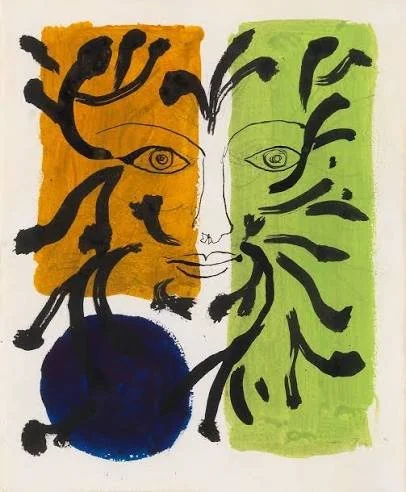
The eyes carry everything. Half-lidded. Knowing. Warm at the surface, ancient underneath. The bottom right painting in the ref sheet proves it — reduce to two eyes and vine lines and he's still completely himself.
The mouth is the mystery. Smile becoming leaves. Leaves becoming smile. Impossible to say where one ends and the other begins. The Mona Lisa problem applied to a garden guardian.
Texture over smoothness. Feels like something that grew. No surface uniformly smooth.
Strange but not frightening. The face a baby stares at longer than expected. The face that makes you want to stay in the garden.
THE FORMS (PRODUCTS, EVENTUALLY?) Same face. Same soul. materials. Three relationships with one object across childhood.
Brass — the heirloom. Lives in the garden permanently. Patinas over years. Becomes more itself over time not less. $60-80 retail / 30 inches in the show.
Plush — the comfort object. The Baby Guy's from day one. Loved into shapelessness over years. $25-30.
THE DESIGN REFERENCES BELOW:
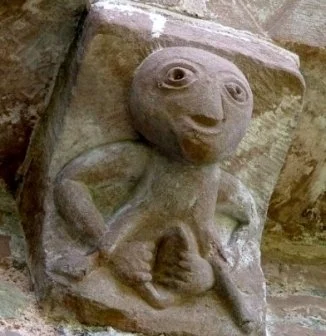
Traditional foliate head imagery leads everything. The refs provided confirm the range — from serene to grotesque, from worn stone to theatrical ceramic. Our Green Man sits at the warm end of this spectrum without losing the strangeness.
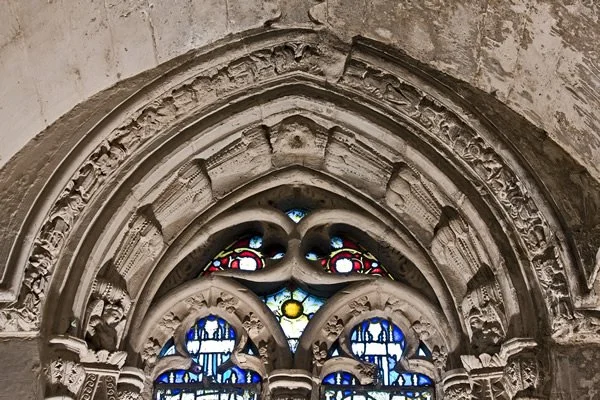
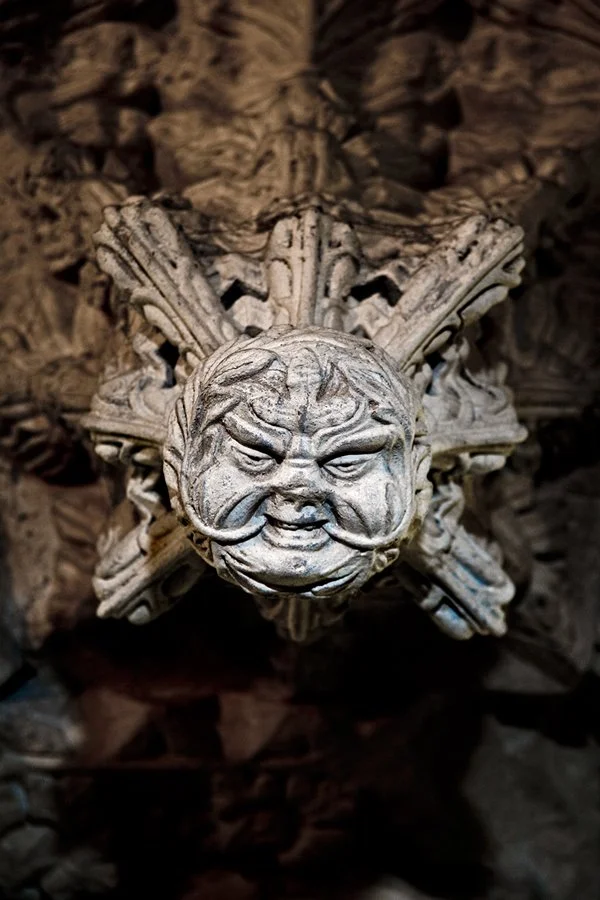
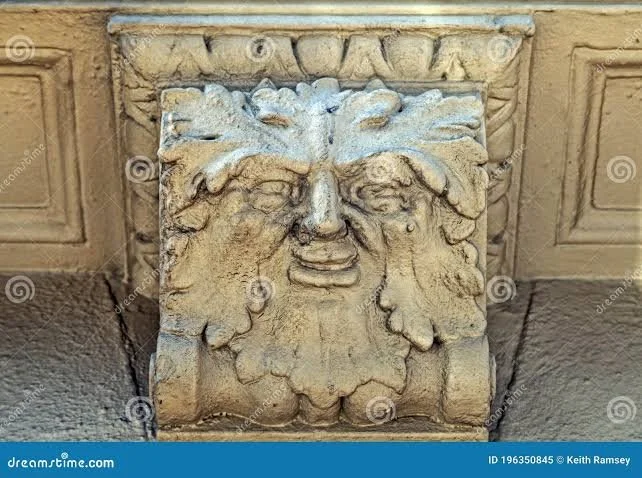
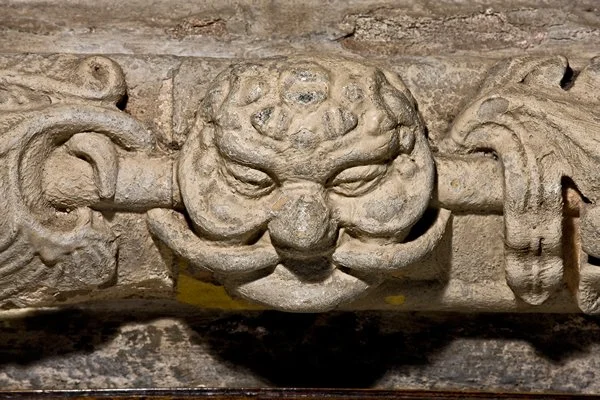
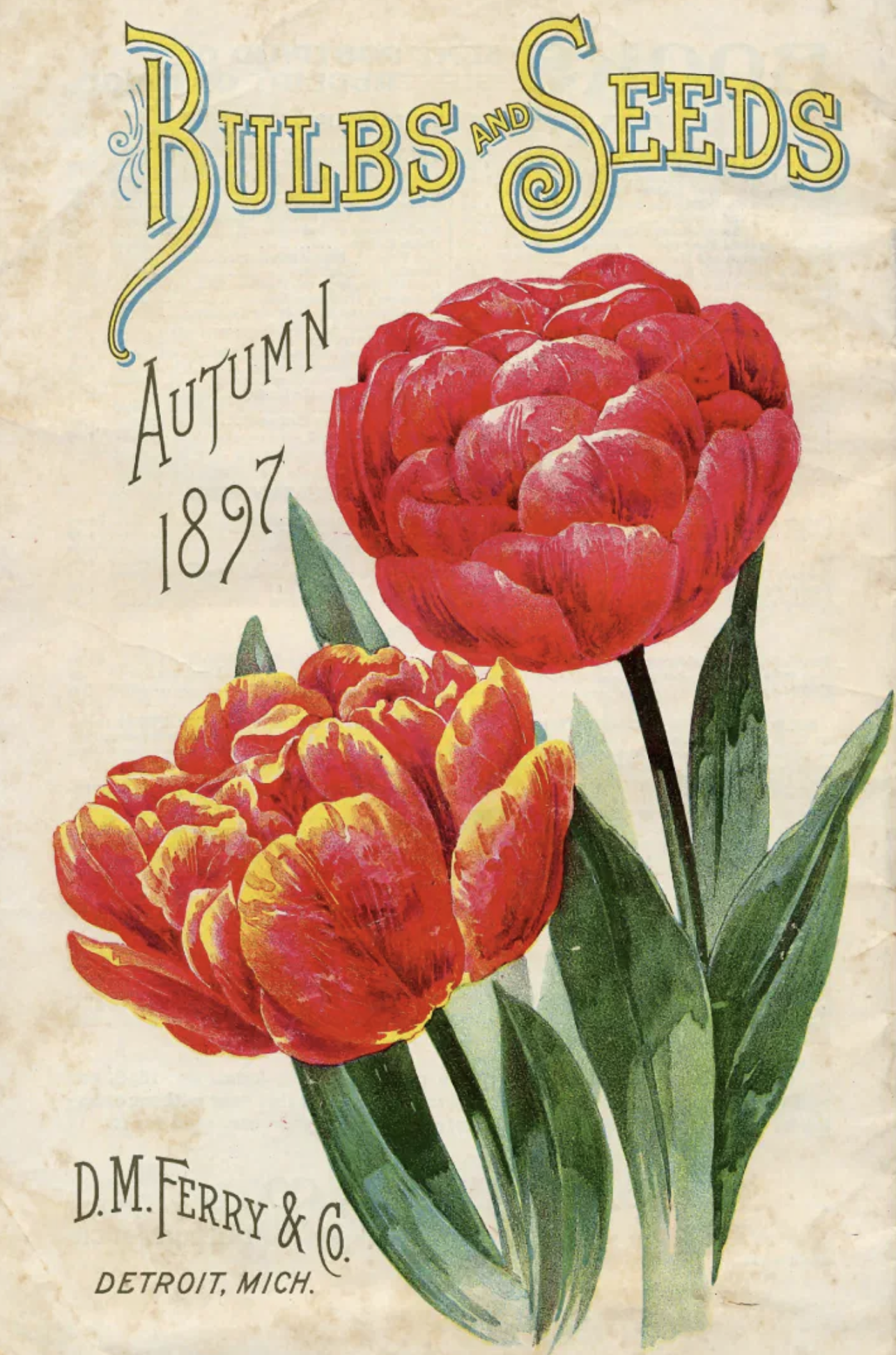
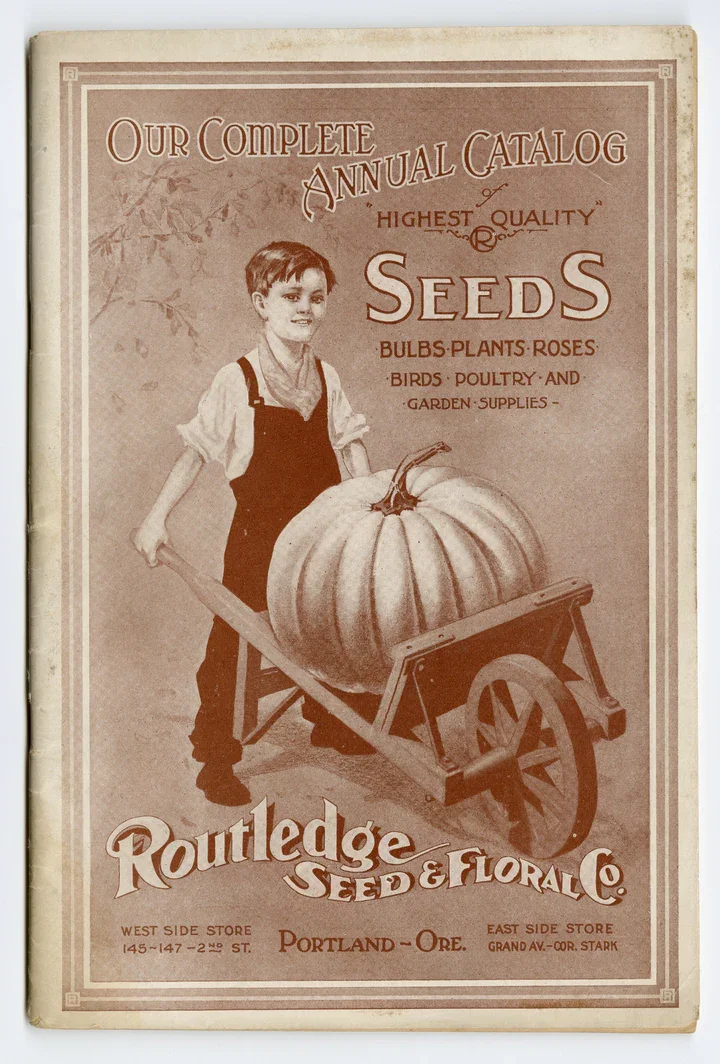
TITLE CARD INCORPORATING A proscenium arch is the architectural frame that separates the stage from the auditorium in a traditional theater. It's the large opening through which the audience views the performance — essentially a picture frame around the stage.
The arch creates a clear boundary between the "world of the play" and the house, reinforcing the concept of a fourth wall. The space behind the arch (where the action happens) is called the proscenium stage or picture frame stage; the area in front of it that extends toward the audience is the apron or forestage.
It became the dominant Western theater form from the Renaissance through the 20th century, and is still the standard configuration for opera houses, Broadway houses, and most large performing arts venues.
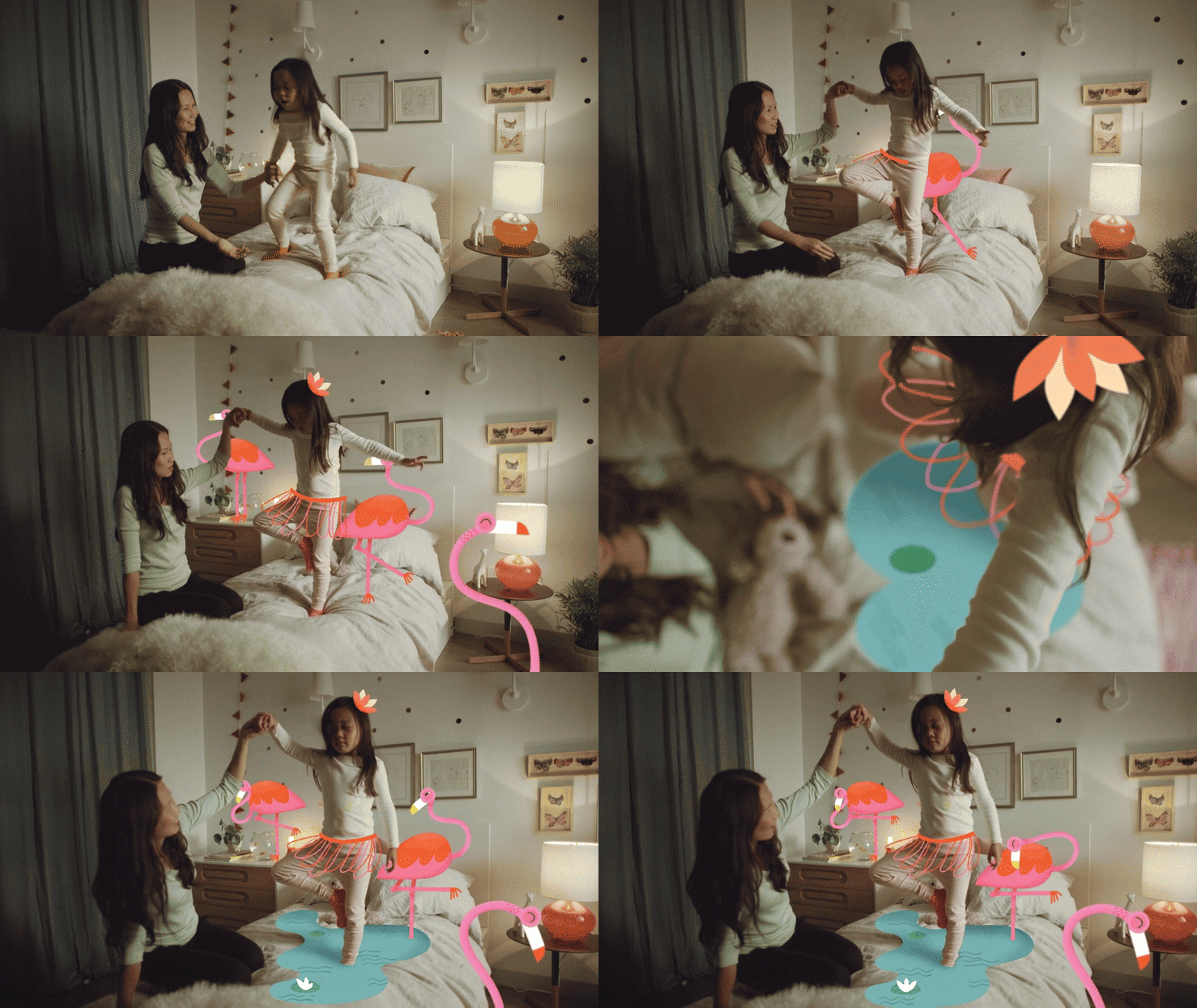
Nick Jr. & Duplo - Eventually, maybe a good reference for the surface details, simple(ish) masks and reveals. I think this is too animated animals, I think we’d use something like this to enhance live action plant closeups or add texts over video.

National Geographic Channel & Sonic - This is way too fast but some nice frames if we go GREEN w/ WHITE in similar ways… also this makes a lot of animation from illustration which should be the ethos on The Garden.